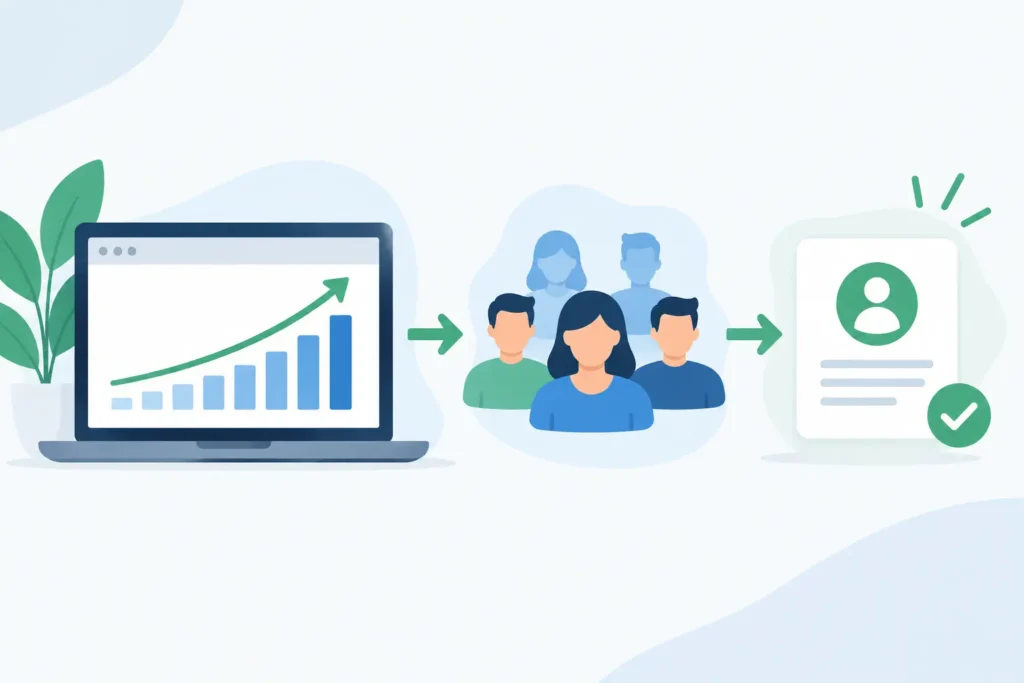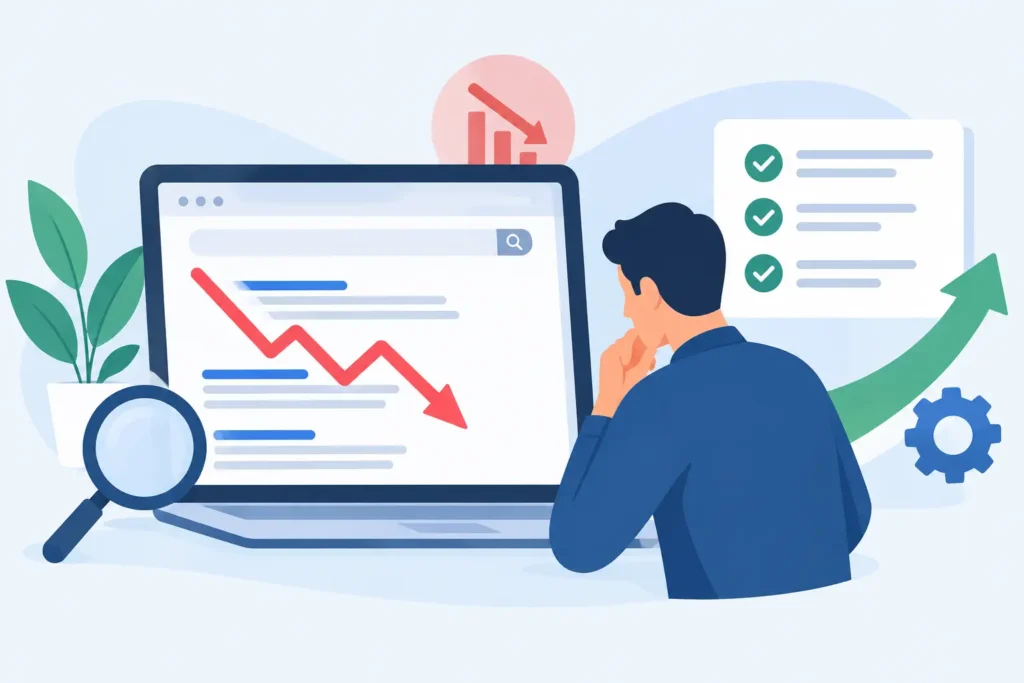

A website can look credible and still fail as a growth asset. If search engines cannot efficiently crawl its pages, buyers cannot quickly understand its value, or conversion paths are buried under visual clutter, the result is predictable: low visibility, wasted paid traffic, and leads that never materialize. SEO-focused website development solves these issues at the foundation, before they become expensive problems to fix after launch.
For growth-minded companies, the website is not a one-time creative deliverable. It is the operating system for organic visibility, demand generation, sales conversations, customer trust, and ongoing optimization. The goal is to build and grow a property that can attract qualified visitors, convert intent into action, and scale as the business does.
Why SEO-Focused Website Development Starts With Strategy
Traditional web projects often begin with colors, layouts, and a homepage mockup. Those details matter, but they should follow commercial and search strategy, not lead it. A beautiful site with no clear keyword targeting, weak service architecture, and confusing calls to action is still a weak revenue engine.
The first decisions should answer practical questions: Which services, products, locations, or customer problems create the most business value? What do prospective customers search before they are ready to buy? Which pages need to rank, educate, prove credibility, and drive an inquiry or sale? The answers shape the site structure, content plan, internal links, templates, and measurement framework.
This approach also prevents a common launch mistake: treating SEO as a checklist added at the end. Metadata, redirects, and image compression are necessary, but they cannot repair a site that was built around the wrong page hierarchy or lacks pages for high-value search intent.
Build for Crawling, Intent, and Conversion
A high-performing website has to work for three audiences at once: search engines, prospective customers, and the team responsible for maintaining it. Each audience has different needs, and the best development decisions support all three.
Create an information architecture that can earn visibility
Search engines need clear signals about what each page represents and how pages relate to one another. That starts with logical navigation, clean URLs, purposeful page titles, and internal links that connect related services, industries, resources, and conversion pages.
More importantly, the structure must reflect search intent. A company offering multiple high-value services should not force every opportunity onto one generic service page. Separate pages can give each offering the depth, proof, and relevance needed to compete, provided they are genuinely distinct. Creating dozens of thin location or service variations, however, can dilute quality and create maintenance debt.
The right level of page depth depends on the market. A local service business may need strong service and geographic landing pages. An ecommerce brand may need scalable category architecture, filters that do not create index bloat, and product pages that answer purchase questions. A B2B firm may need industry pages, solution pages, case studies, and content that supports a longer buying cycle.
Protect technical performance from day one
Speed, mobile usability, indexability, structured data, canonical rules, XML sitemaps, and redirects are not back-office details. They influence whether search engines can access the site and whether visitors stay long enough to act.
A fast website does not mean stripping away every visual element. It means making deliberate choices about code, plugins, images, third-party scripts, fonts, and page-builder components. The trade-off is often between a quick design shortcut and long-term performance. Teams should favor a flexible system that is easy to update without piling on unnecessary weight.
For WordPress and Elementor builds, this discipline is especially important. These platforms can support fast, scalable websites when templates, components, plugins, and hosting are managed carefully. Without standards, they can also become slow, inconsistent, and difficult to improve.
Make every important page earn the next action
Traffic without conversion is a reporting metric, not a growth outcome. Every key page should make its purpose obvious: educate, build confidence, answer objections, and direct the visitor toward a relevant next step.
That does not mean turning every page into an aggressive sales pitch. A visitor researching a complex service may need process details, pricing context, results, and proof before booking a call. A shopper may need comparison information, reviews, delivery details, and a friction-free checkout. Conversion paths should match the commitment level of the decision.
Clear calls to action, concise forms, visible contact options, trust signals, and strong page hierarchy reduce friction. Analytics then shows where users hesitate, where forms are abandoned, and which landing pages produce qualified leads instead of empty volume.
The Development Process Should Reduce Rework
The most efficient website projects bring SEO, content, development, and conversion planning together early. When these disciplines are separated, teams often rebuild pages after launch because the original structure does not support rankings or campaign goals.
A stronger process begins with discovery and measurement. Review the current site, organic visibility, technical issues, competitors, buyer journeys, conversion data, and commercial priorities. Establish baseline metrics for organic traffic, rankings, engagement, leads, conversion rate, and revenue where attribution allows.
Next comes the growth blueprint: a keyword and intent map, page inventory, site architecture, content requirements, technical specifications, and conversion plan. This is where stakeholders decide what belongs in the first launch phase and what should be released later. Not every useful feature needs to delay the foundation build.
Development should then use reusable components and controlled templates. Reusable does not mean generic. It means the team can create new landing pages, publish content, test messages, or add sections without starting from scratch or breaking design consistency. Quality assurance should cover mobile layouts, forms, tracking, redirects, crawlability, page speed, structured data, and browser behavior before the site goes live.
Finally, launch is treated as a monitored release, not a finish line. Search engines need time to crawl and process the new site. Rankings can fluctuate while redirects settle, pages are indexed, and authority signals accumulate. Monitoring during this period protects visibility and reveals issues before they become prolonged losses.
SEO-Focused Website Development Requires Ongoing Work
A new website is a foundation. It cannot compound if it remains unchanged while competitors publish better content, earn stronger links, improve their user experience, and adapt to shifting search behavior.
Monthly growth work turns a website into an active asset. It may include technical maintenance, content production, internal-link improvements, digital PR, link acquisition, conversion tests, reporting, and AI-supported workflows that speed up research or operational tasks. The mix depends on the company’s maturity, competition, and goals.
For example, a business with poor site health may need technical cleanup and core service pages first. A healthy site with stagnant rankings may need deeper topical content and authority-building. An ecommerce store with strong traffic but weak revenue may benefit most from category-page optimization, product-page improvements, and checkout testing. There is no single tactic that fits every growth stage.
This is why 3Q Studio treats development as part of a managed growth system rather than a handoff. The work should connect directly to measurable movement in qualified traffic, lead quality, conversion rate, and revenue.
What to Measure After Launch
Rankings matter, but they are not the final score. A page ranking first for an irrelevant term can generate attention without generating business. Performance reporting should connect search progress to commercial outcomes.
Track organic impressions and clicks to understand visibility. Track rankings by intent cluster rather than obsessing over one keyword. Track engaged sessions, form submissions, calls, demo requests, purchases, and assisted conversions to understand behavior. Where possible, connect leads to sales outcomes so the team can distinguish high-volume channels from high-value channels.
The most useful reports lead to decisions. If a page attracts traffic but converts poorly, improve its message, proof, or call to action. If a high-converting service page lacks impressions, expand its topical support and authority signals. If a technical issue limits crawling, resolve it before investing heavily in new content.
A website should become more valuable after launch, not merely older. Build the SEO foundation with enough discipline to earn visibility, enough clarity to convert demand, and enough flexibility to improve every month. That is how digital growth compounds.