
A hire that takes six months to make, a website that needs technical fixes now, and a pipeline target that cannot wait for next quarter: this is where the SEO agency versus in-house team decision becomes a business decision, not a marketing preference. The right model determines how quickly you can fix search visibility issues, publish revenue-focused content, improve conversion paths, and turn organic traffic into qualified leads.
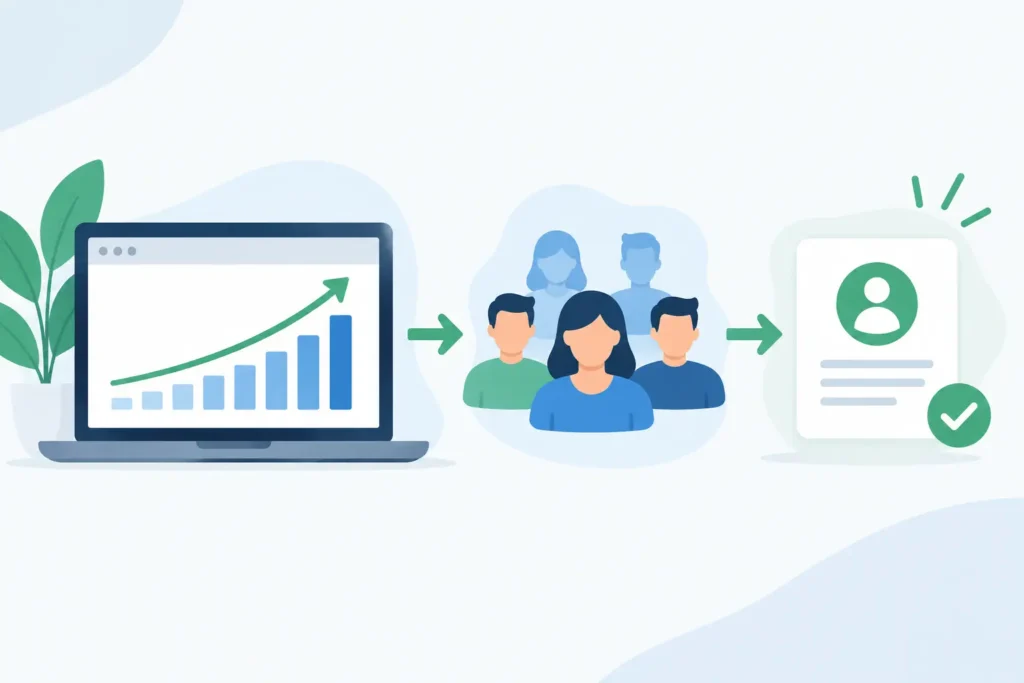
For most growing businesses, the question is not whether SEO matters. It is whether they can build the operating system needed to make it produce results consistently. SEO is not one skill, one report, or a batch of blog posts. It is a connected growth discipline involving technical performance, site architecture, keyword strategy, content production, authority building, analytics, and conversion rate optimization.
SEO Agency Versus In-House Team: Start With the Work
An in-house SEO hire can be a strong move when your company has a mature marketing operation, a clear channel strategy, and enough ongoing work to justify a dedicated specialist. They know the product, the sales team, the customer language, and the internal approval process. That proximity can create sharper messaging and faster alignment when leadership is ready to support the work.
The challenge is that one person is rarely an entire SEO department. A capable SEO manager may set strategy and oversee content, but they may not also be a technical SEO specialist, WordPress developer, conversion strategist, digital PR operator, data analyst, and editor. Hiring for every discipline creates a larger payroll and a management layer that many small-to-midsize companies do not need yet.
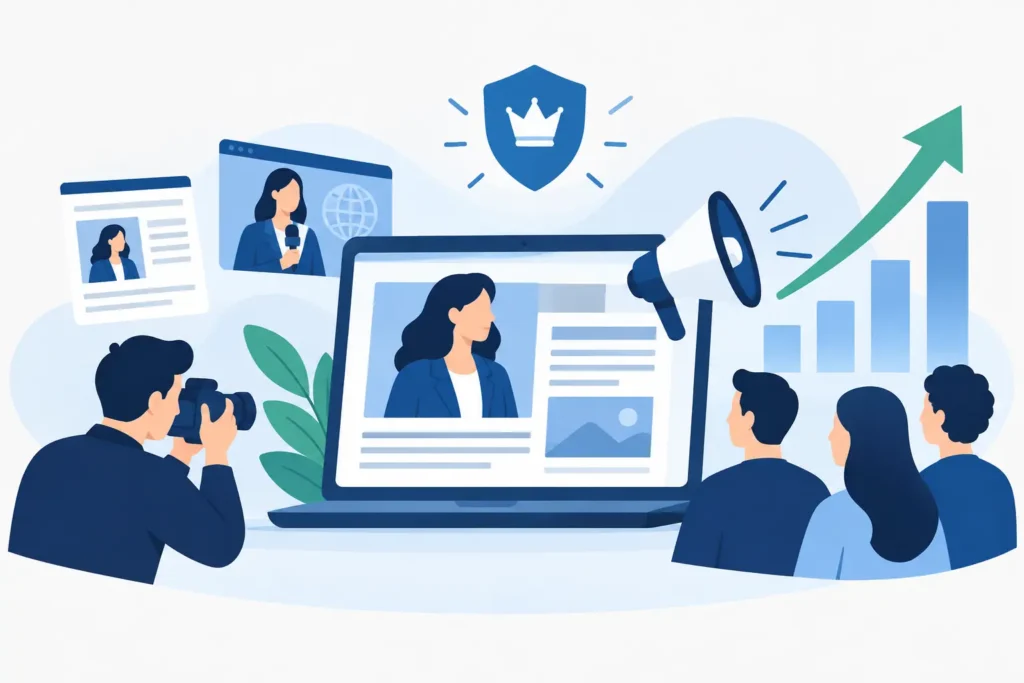
An agency brings a team model from day one. That can mean a strategist planning the roadmap, technical specialists resolving crawl and performance issues, writers creating search-led pages, developers implementing changes, and analysts reporting on leads and revenue. The value is not simply more hands. It is connected execution across the website, content, authority, and conversion work that helps results compound over time.
The agency model only works when accountability is clear. If an agency sends reports but cannot implement website fixes, improve landing pages, or coordinate with your internal team, you are still managing fragmented vendors. Look for a partner that can build and grow the full digital property rather than treating SEO as a disconnected monthly deliverable.
The Real Cost Is More Than Salary or Retainer
Comparing an employee’s salary with an agency retainer produces an incomplete answer. An in-house employee also requires recruiting time, benefits, management, software, training, and often outside support for technical or specialist projects. If the person leaves, momentum can leave with them.
An agency has a higher visible monthly line item than software, but it can replace multiple specialist costs. It also gives a business a more predictable investment level. This matters when SEO work includes website development, content, link building, analytics, and CRO rather than a narrow rank-tracking exercise.
That does not mean an agency is automatically cheaper. A large enterprise with a high volume of content, regional pages, product launches, and internal data needs may eventually benefit from a dedicated internal team. In that case, agency support can still make sense for advanced technical audits, digital PR campaigns, migrations, or specialist capacity during peak periods.
The practical calculation is simple: assess the work required to reach your growth target, then price the people and capabilities needed to deliver it reliably. A low-cost option that cannot ship work is expensive when rankings, leads, and market share stall.
Speed Depends on Ownership and Access
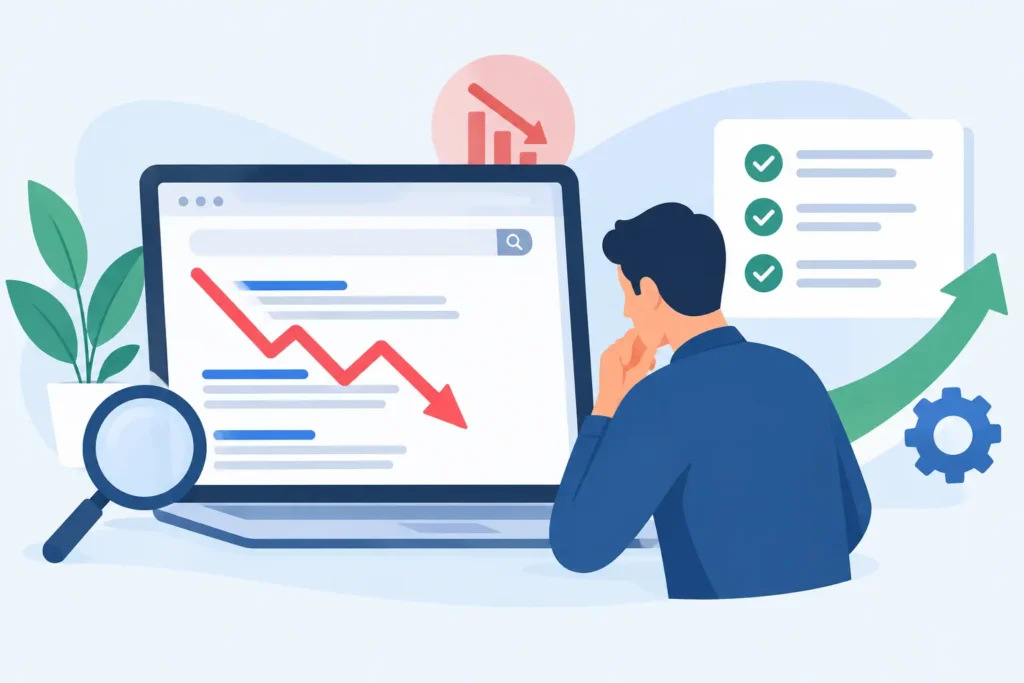
Agencies can move quickly because they have established processes, templates, and specialist roles. They have likely handled common problems before: duplicate pages, weak internal linking, slow templates, poor indexation, missing conversion tracking, thin service pages, or a content calendar with no commercial intent. A good agency turns diagnosis into an ordered roadmap instead of a long list of recommendations.
But external speed has a limit. If every title tag, page edit, developer ticket, and content brief needs several rounds of internal approval, the agency cannot create momentum alone. Your team must provide access, timely feedback, and a decision-maker who can resolve trade-offs.
Internal teams have the advantage when they can publish and deploy without friction. They often know where customer questions are hiding – in sales calls, support tickets, demos, and product conversations. When an in-house team has that access and the technical capacity to act on it, it can produce highly relevant work at pace.
The strongest arrangement creates one shared operating rhythm. Priorities are set monthly, implementation is tracked weekly, and reporting connects search activity to qualified traffic, conversions, pipeline, and revenue. Rankings matter, but they are not the finish line.
Expertise Has to Match Your Growth Stage
A company with a new or underperforming website usually needs broad expertise first. The foundation must be fast, crawlable, structured around search demand, clear for visitors, and designed to convert. Publishing more content on a weak foundation often creates more pages without creating more business value.
This is where a full-service agency can outperform a single internal hire. It can address the dependencies at once: improve the website, map pages to intent, build content clusters, correct technical barriers, establish reporting, and improve the paths that turn visitors into inquiries or purchases. At 3Q Studio, that is treated as a managed growth system, not a one-time website handoff.
Once the foundation is in place, the balance can change. A growing internal marketing team may take ownership of subject-matter input, customer stories, product updates, and everyday content coordination. The agency can focus on technical depth, strategic oversight, content quality, authority growth, and complex implementation. This hybrid model is often the most practical answer for companies that want institutional knowledge without building every specialty internally.
When an in-house team is the better choice
Build internally when SEO is central to your business model, your publishing volume is consistently high, and leadership can support a real team rather than a lone generalist. It also fits companies with sensitive market knowledge, complex products, or regulated messaging that requires deep internal context.
Be realistic about the runway. Internal SEO needs executive backing, cross-functional cooperation, access to developers, and clear performance expectations. Hiring an SEO manager without giving them authority or implementation resources is not an in-house strategy. It is a bottleneck with a job title.
When an agency is the better choice
Choose an agency when you need specialist execution quickly, lack internal technical depth, or need the website to perform as a measurable acquisition channel. It is especially effective when your current setup includes an outdated site, inconsistent content, weak visibility, poor conversion tracking, and multiple vendors pointing at each other when results lag.
The right agency should be able to explain what will happen in the first 30, 60, and 90 days, what it needs from your team, and how progress will be measured before rankings mature. Search growth takes time because pages must be crawled, indexed, evaluated, and trusted. Strong partners set that expectation while still creating early wins through technical cleanup, conversion improvements, and better measurement.
Do Not Choose Based on Rankings Alone
A rank report can look positive while revenue remains flat. Search terms may be too broad, pages may attract the wrong audience, or traffic may land on a page with no credible next step. The agency-versus-in-house decision should therefore come back to commercial accountability.
Ask who owns the connection between keyword opportunities, website changes, content production, lead quality, and conversion performance. Ask who can identify why a page is underperforming and then implement the fix. Ask whether reporting shows organic sessions only, or whether it traces performance through inquiries, sales opportunities, purchases, and revenue.
Those questions reveal whether you are buying activity or building a growth engine. The goal is not to outsource responsibility or isolate it inside one hire. The goal is to create a team structure that can attract, convert, and scale.
Your best next step is to map the gaps between your current website and your revenue target. If the gaps span strategy, technical execution, content, authority, and conversion, start with a partner or hybrid model that can cover the system. If you already have that system and need deeper business context at scale, build the internal team around it. Either way, choose the model that keeps meaningful work moving every month – because organic growth rewards consistency long after the initial decision is made.